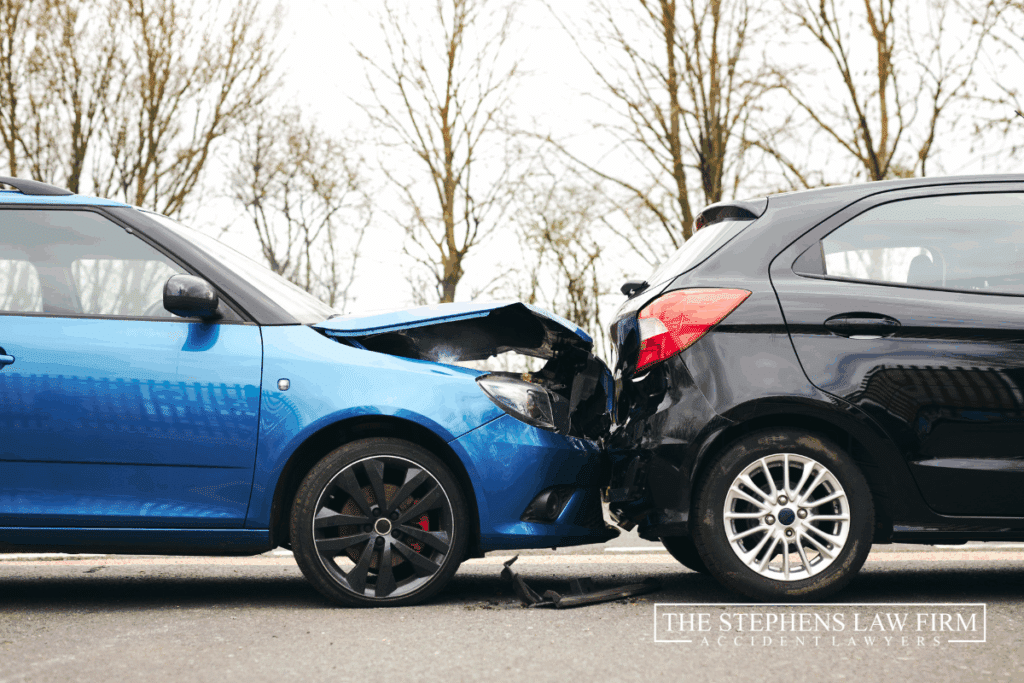
Being turned away by a doctor after a car accident is frustrating and confusing. You’re injured, in pain, and need medical care. The last thing you expect is for a physician to refuse treatment.
But it happens. And it’s usually not personal.
Doctors decline to treat car accident patients for several practical reasons: insurance billing complications, the involvement of legal claims, administrative burdens, and the need for specialized expertise in treating traumatic injuries. Understanding why this happens can help you find the right care and protect both your health and your legal claim.
This article explains why doctors may turn away accident patients and what you should do if it happens to you.
- If a doctor refused to treat you, it’s not personal. Your primary care physician may lack the expertise for accident injuries. Doctors decline these cases due to billing complications and administrative burdens, not because your injuries aren’t serious.
- Don’t accept the refusal. Ask for a referral, seek another provider, or contact an attorney who can help you find care for your car accident.
- Timely medical attention is crucial for both your health and your claim, as delaying care can hurt both. Seeking immediate treatment, even at the emergency room, ensures proper documentation and strengthens your case.
Why Doctors May Decline to Treat Car Accident patients
Many private physicians have the discretion to decide which patients and types of cases they accept. Refusing to treat car accident patients is often a practical business or medical decision, not a judgment about your injuries or their severity.
Here are the most common reasons:
Insurance and Billing Complexities
Personal Injury Protection (PIP) coverage creates complex billing issues that many medical offices aren’t equipped to handle efficiently. Insurance companies may deny claims, delay payments, or require extensive documentation.
From a doctor’s perspective, managing PIP billing takes staff time and resources that could otherwise go to other patients. Many smaller practices simply don’t have the infrastructure to handle these claims, so they decline car accident cases to avoid administrative headaches.
Administrative Burden and Documentation Requirements
Car accident cases require extensive documentation. Medical providers must maintain detailed records that may be used in legal proceedings, respond to attorney requests, provide deposition testimony, or appear in court. This burden extends far beyond typical patient care. For a busy practice, the administrative overhead can outweigh the benefit of treating one accident patient.
Involved in Potential Legal Claims
When a doctor treats a car accident victim, they may become entangled in legal disputes. Insurance companies may contact them. Attorneys may subpoena records. The doctor could be called to testify about the patient’s injuries, treatment, and prognosis. Some physicians prefer to avoid this involvement altogether, particularly if they lack experience in accident-related litigation.
Office Policies
Some medical practices have blanket policies against treating car accident patients. This may stem from past negative experiences with insurance denials, payment disputes, or litigation. Once a practice has a bad experience, they may simply refuse all accident cases to eliminate future problems.
Need for Specialized Expertise
Car accident injuries are often severe and complex. Brain trauma, spinal injuries, whiplash, crush injuries, and organ damage require specialized knowledge. A primary care physician may recognize that you need a trauma specialist or neurologist, not general medical care.
Rather than attempt to treat you inadequately, they refer you to someone better equipped. This isn’t a refusal based on the accident itself, but a recognition that your injuries require specialized care.
What Should You Do If a Doctor Won't Treat Your Accident Injuries?
Being turned away by a doctor is a setback, but it’s not the end. Here’s what you should do immediately:
Ask for a Referral
When a doctor declines to treat you, ask why and request a referral to a specialist who will. Doctors who understand accident injuries know exactly who to recommend. A referral from your physician carries weight with the new provider and may expedite your appointment. It also creates a paper trail showing you sought care promptly.
Don't Delay Seeking Care Elsewhere
Go to another doctor. Don’t wait weeks hoping your original physician will reconsider. Visit an emergency room, urgent care center, or call a specialist directly. The longer you wait, the weaker your claim becomes.
Insurance companies view treatment delays as evidence that your injuries weren’t serious. Seek evaluation within days of the accident, even if it’s just an initial emergency room visit.
Get Evaluated by a Specialist
The doctor who turned you away may have been right that you need specialized care. Depending on your injuries, seek out an orthopedic specialist, neurologist, physical medicine and rehabilitation physician, or pain management specialist. These providers have experience with accident-related injuries and are more likely to accept your case.
Follow Your Treatment Plan
Once you find a provider willing to treat you, follow their recommendations exactly. Miss appointments and your credibility suffers. Your insurance claim suffers. Stick to the treatment plan, attend follow-up visits, and do prescribed physical therapy or rehabilitation.
Keep Detailed Records
Document everything. Keep copies of all medical records, test results, bills, appointment confirmations, and correspondence with doctors and insurance companies. Note the date and name of any doctor who refused to treat you. This documentation proves you sought care diligently and strengthens your claim if disputes arise.
Don't Accept Blame for the Delay
If you struggled to find a doctor because multiple providers refused treatment, document those refusals. Keep records of which doctors turned you away and when. This shows you acted in good faith and weren’t negligent in seeking care. When you do find treatment, continue seeking care consistently.
How Can Delayed Medical Treatment Affect Your Car Accident Claim?
Insurance companies view treatment delays as a sign that your injuries weren’t serious. Here’s what matters:
Why Timing Matters
Early medical records prove your injuries resulted from the accident, not something that happened later. Waiting weeks or months to seek care gives insurers an excuse to deny your claim. Gaps in treatment also signal that injuries weren’t serious enough to warrant ongoing care.
What You Should Do?
- Seek evaluation within days of the accident, even if just an emergency room visit
- Keep consistent medical appointments once you find a provider
- Document any delays caused by doctors refusing to treat you
- Continue seeking care and building your medical record, even if there were initial delays
If Treatment Was Delayed Because Doctors Refused Care
That’s defensible. Keep records of which providers turned you away and when. An attorney can explain these circumstances to the insurance company and fight claim denials based on alleged treatment delays.
How to Find a Car Accident Doctor in Texas
Your injury type determines which provider you need.
Emergency Room
Your first stop after a serious accident. Emergency departments can assess acute injuries, order imaging, stabilize you, and refer you to specialists. Even if your injuries feel minor, getting evaluated within hours creates an official medical record linking your injuries to the accident.
Urgent Care Centers
For less severe injuries, urgent care can provide quick evaluation and treatment. Staff are experienced with accident patients and can refer you to specialists if needed.
Orthopedic Specialists
For broken bones, joint injuries, or musculoskeletal damage. Orthopedists regularly treat accident patients and understand the legal documentation your case requires.
Neurologists
For head injuries, concussions, or traumatic brain injury. Neurologists can order specialized testing and provide expert documentation of brain-related injuries.
Physical Medicine and Rehabilitation Physicians
These physicians specialize in treating complex injuries and restoring function. They understand accident injuries and work with patients on long-term recovery plans.
Pain Management Specialists
For chronic pain resulting from the accident. These specialists can document pain levels, prescribe appropriate treatment, and provide expert testimony about ongoing suffering.
Chiropractors
Some accident injuries benefit from chiropractic care, particularly whiplash and spinal misalignment. Verify your insurance covers chiropractic treatment before committing.
How to Get Referrals
Ask your family doctor or the emergency room physician for a referral to a specialist. Request they specifically mention it’s an accident-related injury. A referral from an established provider makes it easier to get an appointment with the specialist.
Ask for Recommendations
Ask friends, family, or contacts who’ve been treated for accident injuries which doctors helped them. Personal recommendations often lead to providers experienced in accident cases.
Work With an Attorney
An attorney can recommend providers who regularly treat accident patients and understand the documentation your claim requires. They can also write a letter of protection to your doctor, removing liability concerns that might prevent treatment.

After a car accident, finding medical care shouldn’t be a struggle — but many doctors refuse these cases due to insurance issues. Attorney Joe Stephens helps clients get the care they need while protecting their legal rights.
If You Were Injured in a Car Accident in Texas, Call Accident Attorney Joe Stephens
Growing up in a small town, Joe Stephens learned early that success comes from genuinely caring about people. “I really care about my clients,” Joe says. “I speak for them from the heart. It’s about giving them really quality representation.“
That philosophy shapes everything at his Katy-based practice. He personally handles every case from day one through trial. There’s no learning curve because he’s lived with your file from the start.
His credentials back up his commitment. Double board-certified (1 of fewer than 10 in Texas), Joe has tried 150+ cases over 40 years. Most Texas lawyers never try even 14. When insurance companies and juries see his name, they know he’s not bluffing about going to court.
If you’ve struggled to find medical care after a car accident, or if an insurance company is denying your claim based on treatment delays, Joe Stephens can help. He’ll find you qualified providers and fight for fair compensation.
Contact Joe Stephens for a free case evaluation.