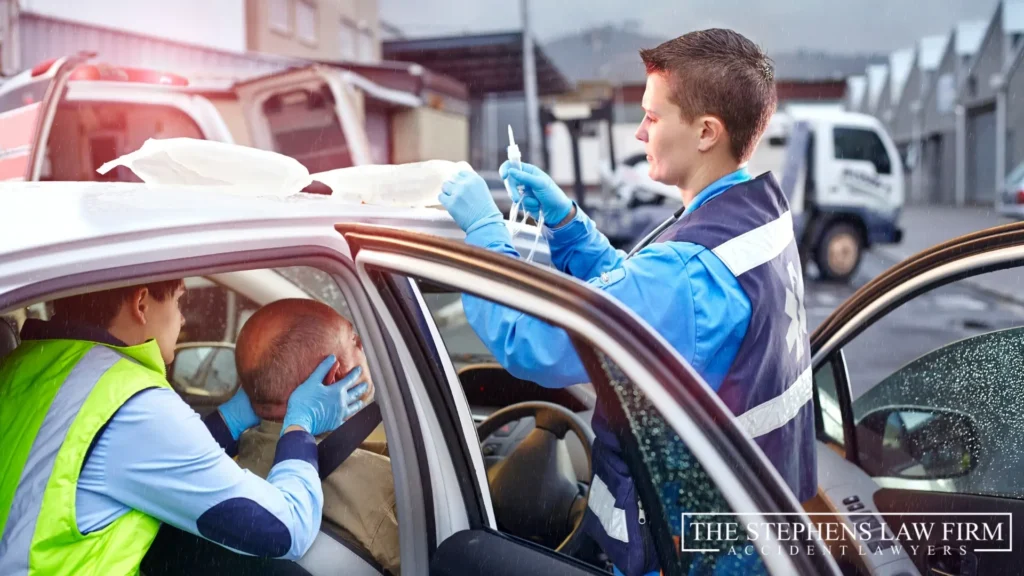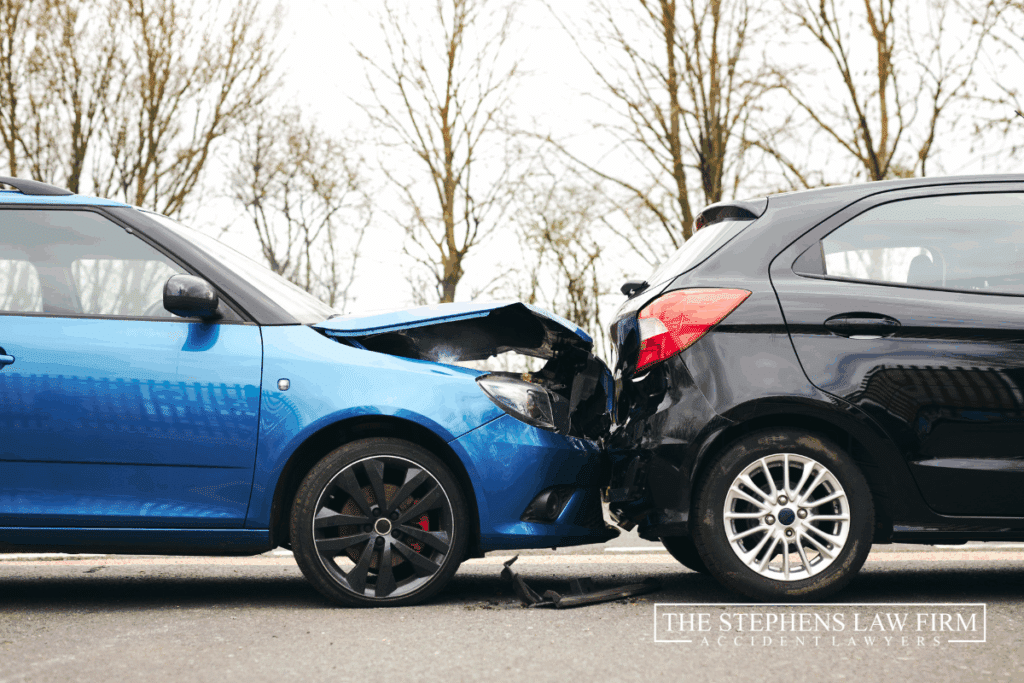
Being in a car crash while running an errand or coming home from work is one thing. However, an accident claim may become much more complicated if you were on the clock. Work-related collisions typically involve workers’ compensation, employer insurance, and third-party claims.
If you have been in a wreck while on the job, you may be feeling confused about who pays for your work injuries, how compensation is affected if you are partially at-fault, and whether their personal insurance is involved. Joe Stephens and The Stephens Law Firm can answer all your questions during an initial consultation. Contact our law office today to learn more.
- A Texas car accident may be considered work-related if it occurs within the course and scope of employment.
- Workers’ compensation may cover medical expenses and partial lost wages, depending on whether the employer is a subscriber under Texas law.
- Liability and insurance can be complex, especially with personal vehicle use or commuting, as multiple parties and policies may apply based on fault and specific circumstances.
- You can take several practical steps immediately after a workplace injury to protect your health and preserve your ability to pursue compensation.
When Is a Car Accident Considered Work-Related in Texas?
In Texas, a car accident may still qualify as happening on the job if it occurs within the course and scope of employment, even if the employee is not sitting at a desk or physically at the main workplace. The key question is whether the driving activity was done to further the employer’s business.
For example, if a UPS, Amazon, or food delivery driver gets into a crash while making deliveries, that is typically work-related. Similarly, truckers who travel between job sites may also have a case for compensation if they get injured in an accident.
One important distinction in Texas is the “coming and going rule,” which generally excludes normal commuting from home to a regular workplace. However, once driving becomes part of job duties, it may qualify as a covered work activity depending on the facts.
Does Workers’ Compensation Cover Work-Related Car Accidents in Texas?
Workers’ compensation may apply after a crash if the incident occurred in the course and scope of employment. It can help cover both medical treatment, such as emergency care, hospital visits, and surgery, and a portion of lost wages while the employee is unable to work.
Employees may still be covered even if they caused the accident, as long as they were performing job duties at the time. Texas is also a non-subscriber state, which makes its system different from most other states.
Coverage depends on whether the employer is a subscriber or non-subscriber to the state system:
- If an employer is a subscriber, the worker typically receives medical and wage benefits through workers’ comp, but cannot sue the employer.
- If the employer is a non-subscriber, the worker may be able to file a personal injury lawsuit instead, potentially recovering broader damages, such as pain and suffering, in addition to medical costs and lost wages.
Who May Be Liable After a Work-Related Car Accident?
Liability may extend beyond just the employee involved in the accident. Other parties could also share fault, including an employer, another driver, or multiple individuals or entities. This significantly depends on what caused the accident and whether the employee was acting within the scope of employment.
The scope of employment generally means the employee was doing something reasonably related to their job duties at the time of the crash; for example, a delivery driver making scheduled stops or a technician driving between job sites.
Texas also follows the coming and going rule, which generally says that ordinary commuting, driving from home to a regular workplace and back, is not considered a work activity. This can make such incidents much more complicated, as they usually fall outside workers’ compensation coverage.

If you’ve been hurt in an accident, you’re probably feeling overwhelmed and unsure where to turn. Joe Stephens is here to listen, guide you, and fight for the full compensation you need to move forward with your life.
What if You Were Driving Your Personal Vehicle for Work?
Workers may face further complications when dealing with an incident where they were injured while using a personal vehicle for work-related duties. Coverage can become confusing because multiple insurance policies may overlap depending on the situation.
If the employee is using their own car for work, such as running errands, traveling to client meetings, or making deliveries, the employer’s insurance may still apply. That said, the employee’s personal auto insurance is usually the first layer of coverage. In some cases, the injured worker can receive coverage from both their employer’s insurance, their own insurance, and third parties.
Many work-related injury claims can become disputed, making it essential to use compelling evidence. Attorneys will typically seek a variety of items to build a strong claim, including work schedules, dispatch or routing instructions, emails or texts from a supervisor, mileage logs, and delivery records.
What Compensation May Be Available After a Work-Related Car Accident?
A workers’ compensation claim, third-party claims, or personal injury lawsuit could potentially cover a range of damages, including the following:
- Medical expenses
- Lost income
- Pain and suffering
- Reduced earning capacity
- Property damage
Injured workers may sometimes pursue both workers’ compensation and a third-party claim simultaneously in order to receive greater coverage for their losses. Speaking with an attorney for legal support can be incredibly beneficial to better understand your options.
What To Do After a Car Accident That Happens While Working
You can take actionable steps after being injured on the job to prioritize your health and protect a claim for compensation:
- Report the crash as work-related immediately to your employer
- Save all job-related communications, like texts, emails, dispatch instructions, and work orders
- Document the scene with photos of the crash, vehicle, and location
- Preserve GPS data, mileage logs, delivery apps, or time-tracking records
- Identify witnesses such as supervisors, coworkers, or clients
- Write down a timeline of your work activities that day
- Keep records of mileage reimbursements or travel approvals
Keep in mind that certain mistakes can harm a claim, such as delaying treatment or giving recorded statements too early. Always meet with your legal advocate before speaking with any insurers or accepting settlement offers.
How Our Houston Car Accident Lawyer Can Help
If you have been in a car accident while on the job, your eligibility for compensation can depend on factors like your job duties, driving requirements, and the circumstances of the crash. These cases can quickly become complicated, especially when workers’ compensation, employer policies, and third-party claims overlap.
Getting guidance early can help protect your rights and ensure you do not miss out on benefits you may be entitled to. Speak with an experienced attorney by contacting us online or calling (281)-201-0035 to understand your options and avoid costly mistakes in the claims process. A quick consultation can help you determine the next best steps and move forward with confidence.