Will Dashcam Footage Help With My Accident Claim in Texas?
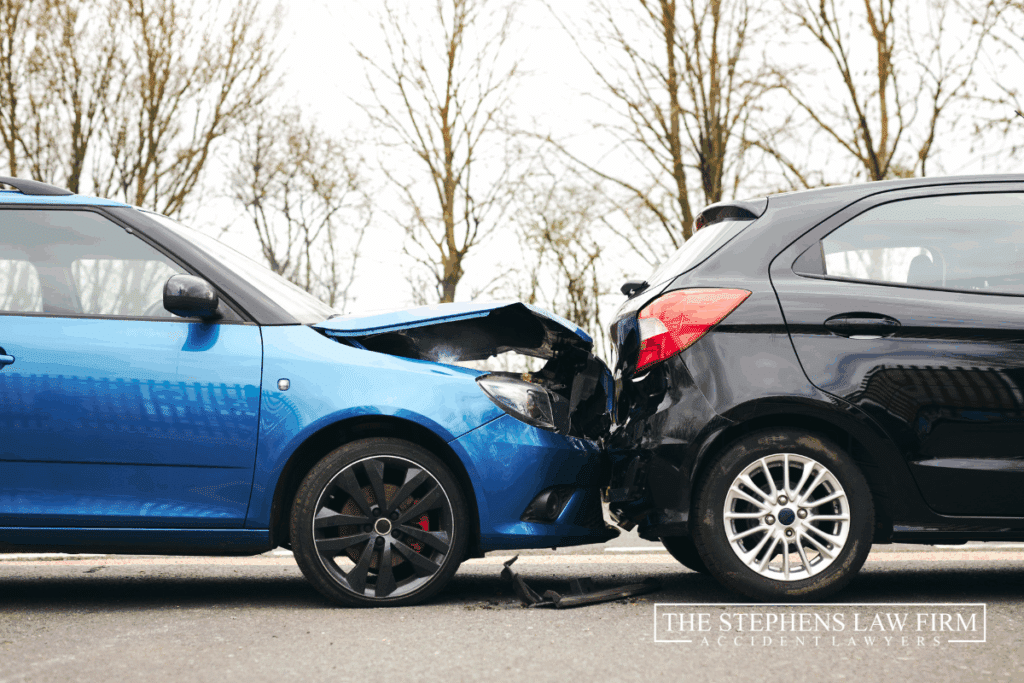
Dashcam footage can significantly strengthen a Texas accident claim. When admissible, this footage provides an unbiased, real-time recording of the moments before, during, and after an accident, making it one of the most persuasive forms of evidence available. Images and videos of the incident can clearly show what caused the car accident and who was liable.
While many modern safety features are designed to help prevent collisions, dash cameras have become one of the most valuable tools after a crash occurs.
KEY TAKEAWAYS
- Dashcam footage can strengthen a Texas accident claim by capturing critical evidence before, during, and after a crash, including traffic conditions, driver behavior, and the aftermath.
- Video may be used as evidence in insurance claims or court if it is authentic and unaltered, while deleting or altering relevant footage can create legal issues and harm your case.
- An experienced attorney can maximize the value of dashcam evidence by preserving recordings, obtaining additional video from nearby sources, and evaluating how the footage impacts liability.
How Dashcam Footage Can Strengthen Your Texas Accident Claim
Video evidence is often considered one of the strongest forms of evidence available after a collision. Including dashcam footage in your claim can help establish fault, resolve conflicting accounts of the crash, and strengthen negotiations with insurance companies. Similarly, it can capture video of the incident, including the sequence of events, the point of impact, and each driver’s actions in the moments leading up to the crash.
What Evidence Can Dashcam Footage Capture After a Texas Car Accident?
Before a car accident occurs, dashcam footage often records correlating factors, such as:
- Traffic signals
- Road signs
- Weather and road conditions
- Vehicle speeds
- Lane positions
- Unsafe driving behaviors such as distracted driving, speeding, or drinking while driving
Immediately after the crash, a dashcam can show the final positions of the vehicles, visible property damage, debris on the roadway, and statements or actions by those involved, especially if it has an audio function.
This kind of evidence is invaluable. It provides context that may not be available through witness statements, police reports, or photographs alone.
Can Dashcam Footage Be Used as Evidence in a Texas Accident Claim?
Dashcam footage is valuable evidence in both insurance claims and court proceedings. However, dashcam footage is not automatically admissible in every case. Texas courts will evaluate whether video evidence may be used by considering whether the footage:
- Is relevant and authentic
- Accurately depicts the events
- Is reliable and unaltered
In other words, submitting dashcam footage to the court is not always easy. You must have the original footage to reduce allegations of inauthenticity.
Should You Share Dashcam Footage with the Insurance Company?
Oftentimes, insurers try to use information against you to try to minimize or deny your claim. Every case is unique, but in general, it is important to be careful about what you share with insurers. Before you share recordings, delete files, or make statements to anyone about what the video shows, it is a good idea to ask your lawyer. An experienced car accident attorney can help you evaluate the relevancy of your video evidence and even share the footage with the insurance companies on your behalf.

JOE STEPHENS | FOUNDER
“Evidence disappears faster than you think, skid marks fade, vehicles get repaired, surveillance footage gets erased, and scenes change. These types of evidence are so much more important in the courtroom to insurance adjusters than just a recorded statement or self, because people can see actually what happened. So, unless we get that evidence soon after the case, your case itself can disappear, and we can’t prove your case.”

Do You Have to Share Dashcam Video Footage?
In most cases, you are not obligated to voluntarily provide video recordings to the other driver’s insurance company simply because it exists. However, if a lawsuit is filed, the footage may be subject to discovery. During discovery, the court requires you to share any relevant evidence. If you have dashcam footage and it is relevant to the crash, you will be required to share it.
Do You Have to Save Video Footage?
Deleting evidence is never a good idea. Courts often view the destruction of evidence as an attempt to hide information. It could also make you appear more at fault for the incident, even if you were not. Overall, intentionally deleting or destroying potentially important evidence can create legal issues, which is why preserving footage is generally the safest approach.
It is understandable to be worried about video footage if it is not entirely favorable to your case. However, intentionally withholding, deleting, or altering potentially relevant evidence can be far more damaging than the footage itself. Doing so may lead to court-imposed sanctions and to wrongful conclusions about your liability.
What Happens if the Footage Shows You Were Partially at Fault?
Even if the footage shows that you were partially at fault, you might still be able to recover compensation. Texas follows a modified comparative negligence rule. This means that you can still recover compensation as long as your percentage of fault is not more than 50% or less for the accident. It will simply be reduced in proportion to your share of fault. In other words, even if you are speeding or acting negligently in the footage, you might still be able to recover compensation after a car accident.
Steps To Take To Preserve Dashcam Evidence After a Texas Crash
Even in a minor crash, it is important to act quickly to save dashcam footage. Waiting too long to preserve dashcam evidence can result in recordings being lost or overwritten.
STEPS TO TAKE
- Save dashcam footage through backup data or iCloud storage
- Do not record over or edit the original video file
- Note the date, time, and location of the crash
- Preserve footage from before and after the accident, not just the incident itself
- Do not discuss footage or accident details with insurers or the other driver
- Share a copy of the footage with your attorney for the evidence-gathering process
- Do not post footage on social media to avoid accidentally harming your claim
In addition to your own vehicle’s dashcam, consider other sources of footage in the environment, including other drivers’ dashcams, nearby businesses’ security cameras, traffic cameras, dashcam footage from rideshare vehicles, or other witnesses who may have recorded the incident.
How Can a Texas Car Accident Lawyer Help You Use Dashcam Evidence?
An experienced Texas attorney can take on the complex tasks of evaluating and preserving evidence, such as dashcam footage, as part of a broader accident claim.
In certain cases, your lawyer can also identify potential sources of video evidence, collect footage before it is deleted, and assess how footage affects fault determinations. Hiring an attorney can greatly increase the likelihood of a favorable outcome for your claim.
Get Help Using Dashcam Evidence in Your Texas Accident Claim
Dashcam footage can be valuable evidence, but preserving and using it effectively requires careful legal guidance. At The Stephens Law Firm, we know how to leverage video evidence and other key facts to build strong accident claims.
Contact our office today at (281)-201-0035 for a free consultation to discuss your case and learn how Attorney Joe Stephens can help you pursue the compensation you deserve.