
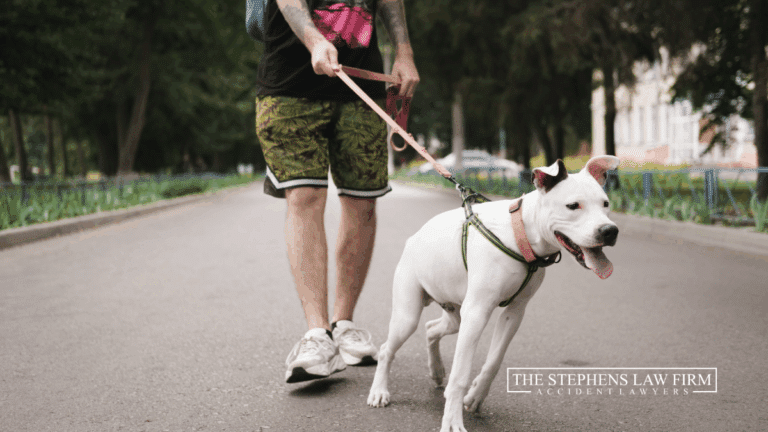
Dog bites can cause serious injuries that affect a person’s health, finances, and sense of safety. Victims may face painful medical treatment, time away from work, and lasting emotional trauma. Understanding dog bite liability in Texas is an important step toward determining whether compensation may be available after an attack.
Texas law does not automatically hold one person responsible for every dog bite. Liability depends on the facts of the incident, who had control of the dog, and whether reasonable steps were taken to prevent harm. Joe Stephens has decades of experience in providing personalized, compassionate guidance to help dog bite victims understand their legal options and what to expect from the claims process.
KEY TAKEAWAYS
- Dog bite liability in Texas depends on the facts of the case, not the dog’s breed
- Owners, caretakers, landlords, and third parties may all be liable in certain situations
- Most Texas dog bite claims are based on negligence rather than automatic liability
Who Can Be Liable for a Dog Bite Injury in Texas?
Several different parties can be responsible for a dog bite injury in Texas. In many cases, the dog owner is liable, but responsibility can also fall on someone else who had control of the dog, or in limited situations, a property owner or business involved in handling the dog. In some situations, more than one party may share responsibility for a dog bite injury.
Dog Owner Liability
Texas law can hold dog owners accountable for injuries caused by their dogs, particularly when the owner knew or should have known the dog had a history of aggressive behavior. This issue is often described as the “one-bite rule,” which focuses on whether the owner had prior notice that the dog could be dangerous.
A dog bite claim can also be based on negligence, even if the dog has never bitten anyone before. Negligence may apply when an owner fails to take reasonable precautions, such as using a leash, keeping the dog properly restrained, securing gates or fences, or following local leash rules.
In limited situations, strict liability may apply once a dog has been legally classified as dangerous under Texas law. Texas does not impose automatic strict liability based solely on a dog’s breed. However, in negligence cases, an owner’s awareness of a dog’s size, strength, and ability to cause serious harm may be considered when evaluating whether the owner exercised reasonable care under the circumstances.
Possessors or Caretakers of the Dog
Liability is not limited to the dog’s owner. A person who had possession or control of the dog at the time of the bite may also be held responsible.
This may include a family member, friend, or caretaker who was watching the dog. If that person had the ability to control the dog and failed to take reasonable steps to prevent the bite, they may share responsibility.
Landlord Liability
Landlords may be liable in limited situations. This usually depends on whether the landlord knew about a dangerous dog on the property and had the ability to take reasonable steps to reduce the risk.
Examples can include allowing a known dangerous dog to remain on the property or failing to enforce lease restrictions. Landlord liability often turns on knowledge of the risk and control over the premises.
Third-Party Liability for Negligent Handling
In some cases, third parties like dog walkers, groomers, or dog daycare providers may be liable if they handled the dog unsafely. Liability may apply if the third party failed to restrain the dog, ignored signs of aggression, or did not follow basic safety procedures while the dog was under their care.
What Does Texas Law Say About Dog Bites?
Texas dog bite cases are handled under a combination of court decisions and state statutes rather than a single dog bite law, with most claims focusing on whether the dog owner failed to act reasonably.
Many Texas dog bite claims are based on negligence. This means showing the owner did not take reasonable steps to prevent the bite, such as properly restraining the dog or following leash requirements. In more limited situations, stricter liability standards may apply if a dog has been legally declared dangerous and the owner was aware of that designation. Even then, the specific facts of the incident play a significant role in determining liability.
Common Defenses to Dog Bite Liability in Texas
Dog owners and insurance companies often raise defenses to try to reduce or deny responsibility for a dog bite injury. Whether these defenses apply depends on the specific facts of the incident and how Texas law views the injured person’s actions and legal status at the time of the bite.
Provocation by the Victim
One common defense is provocation. A dog owner may argue that the injured person provoked the dog before the bite occurred. This can include actions such as teasing, tormenting, or physically threatening the animal. If provocation is proven, it may reduce or eliminate liability, depending on the circumstances.
Trespassing
If the injured person was trespassing on private property at the time the bite occurred, this can limit or bar recovery under Texas law. Property owners generally owe fewer legal duties to trespassers, and that distinction can play an important role in how a dog bite claim is evaluated.
Lawful Property Protection
In some cases, a dog owner may argue that the dog was being used for lawful property protection. These situations are evaluated carefully and often depend on whether the dog was properly controlled and whether the response was reasonable under the circumstances.
Service Animals and Working Dogs
Dog bites involving police dogs or other working animals are treated differently under Texas law, especially when the dog was performing official duties. These cases often involve additional legal considerations and may be subject to specific statutory protections or exceptions.
Understanding the Dog Owner’s Insurance Liability
When liability is established in a Texas dog bite case, homeowners’ or renters’ insurance often becomes the primary source of compensation. In most situations, the insurance company steps in to handle the claim on the dog owner’s behalf rather than the owner paying out of pocket.
Insurance coverage is not always straightforward. Coverage limits can restrict the amount of compensation available, and some policies may include exclusions related to specific dog breeds or prior bite history. Other policies may exclude dog bite injuries entirely or contain gaps that limit coverage.
Because insurance rules vary widely, coverage issues can directly affect whether compensation is available and how much a claim may be worth. Reviewing the applicable insurance policy is often an important step in evaluating a dog bite injury claim.
How Liability Determines Your Compensation in Texas Dog Bite Cases
In a Texas dog bite case, the compensation available depends on establishing liability, meaning you must show the dog owner or another responsible party is legally at fault for the injury.
When liability is proven, a claim may include economic damages such as medical expenses, lost wages, and ongoing care, along with non-economic damages for pain and suffering, emotional distress, and loss of quality of life.
In rare cases involving extreme negligence or malicious behavior by a dog owner, punitive damages may also be available. The high stakes in these cases are reflected in national insurance data, which show that Texas ranks among the top states for both the number and cost of dog bite claims.
Why Choose Joe Stephens for Your Dog Bite Injury Case?
Joe Stephens has represented injured Texans for more than 40 years and is recognized as a double board-certified personal injury attorney. As the only attorney at the firm, Joe provides direct, one-on-one representation, so clients work with him personally at every stage of their dog bite case.
Dog bite claims often involve disputed liability and insurance challenges. Joe’s experience includes handling, negotiating, and trying hundreds of injury cases across Texas, and insurance companies recognize him by name. Clients choose Joe and The Stephens Law Firm because they receive clear answers, careful case preparation, and steady guidance during a difficult time, especially when injuries disrupt work and daily life.
Joe Stephens’ case results reflect decades of focused injury law experience and a commitment to strong but fair advocacy. When we fight, you win, and that mindset applies to every dog bite case he handles.
Frequently Asked Questions
How Long Do I Have To File a Dog Bite Lawsuit in Texas?
In most Texas dog bite cases, the statute of limitations is two years from the date of the injury. Certain exceptions may apply depending on the facts of the case, so it is important not to delay seeking legal guidance.
What if the Dog Owner Does Not Have Insurance?
A lack of insurance does not automatically prevent compensation. In some situations, it may be possible to pursue a claim directly against the dog owner or identify other potential sources of recovery, depending on the circumstances.
Can a Landlord Be Held Liable for a Dog Bite?
A landlord may be held liable in limited situations if they knew about a dangerous dog on the property and failed to take reasonable steps to reduce the risk. Liability often depends on the landlord’s knowledge of the danger and the level of control they have over the property.