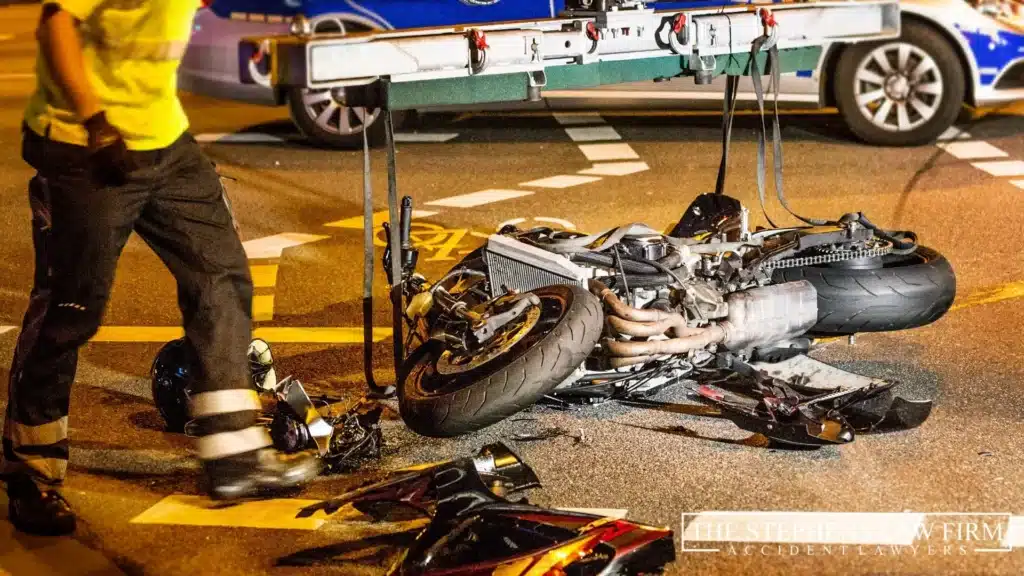
Motorcycle riding in Houston means sharing crowded highways, fast-moving traffic, and complex interchanges with larger vehicles. While riding can be rewarding, it also comes with real risks. In 2024, 581 riders lost their lives on Texas roads, according to TxDOT, underscoring the dangers riders face on busy urban streets and freeways.
This Houston motorcycle accident guide covers practical ways to ride more safely, common crash risks on local roads, and what steps matter most after an accident. If you were hurt in a crash, a Houston motorcycle accident lawyer can help you understand how Texas laws may affect your options and what to consider next.
KEY TAKEAWAYS
- Houston’s busiest corridors and wide intersections create unique risks for motorcycle riders
- Visibility, left-turn conflicts, and distracted driving are among the most common crash factors
- Quick medical care and strong documentation after a crash can protect both your recovery and your claim
Essential Motorcycle Safety Tips for Houston Riders
Riding in Houston means dealing with dense traffic, wide intersections, fast freeway merges, and extreme heat for much of the year. Preparation and awareness can help riders stay safer on crowded freeways, busy intersections, and local streets.
Gear Up Properly
The right gear can help prevent serious injuries, especially in a crash. A DOT-compliant helmet is one of the most important pieces of protection you can wear. According to NHTSA, helmets are about 37% effective at preventing motorcycle fatalities. In Houston traffic, it also helps to choose gear that improves visibility while staying comfortable in the heat and humidity.
Good gear for Houston riders includes:
- DOT-compliant helmet
- Eye protection or a face shield
- High-visibility jacket for heavy traffic and wide intersections
- Mesh jacket for heat and airflow
- Anti-fog visor for humidity and sudden rain
- Gloves with a strong grip for stop-and-go traffic
- Boots that cover your ankles
Houston heat can also increase fatigue and dehydration, especially during longer rides or freeway traffic delays. Many riders use:
- Hydration packs for longer rides
- Light-colored protective gear to stay cooler
Practice Defensive Riding
Defensive riding means staying alert and expecting other drivers to make mistakes, especially in heavy urban traffic.
Defensive riding tips include:
- Assume drivers do not see you, especially when they are turning left or merging
- Keep a safe following distance to allow room for sudden stops
- Avoid riding in blind spots on multi-lane roads
- Keep your headlights on to improve visibility during lane changes
- Watch closely at intersections
Houston traffic can be especially challenging on freeways and feeder roads, where drivers often change lanes quickly or cross multiple lanes at once. Stay cautious around:
- Pickups and SUVs that sit higher and block sightlines
- Drivers cutting across exit lanes at the last second
- Vehicles merging from service roads without signaling
- Sudden stops in stop-and-go traffic
Maintain Your Motorcycle
Basic maintenance can help prevent avoidable crashes. Quick checks before a ride can catch problems early.
Before you ride, check:
- Tires for proper inflation and wear
- Brakes for responsiveness
- Lights and signals for visibility
- Mirrors for clear rear views
- Fluid levels
Houston weather and road conditions can also affect your bike. Helpful maintenance habits include:
- Checking tire pressure more often in hot weather
- Inspecting your cooling system regularly
- Keeping your chain clean and properly adjusted
- Using ABS when possible for sudden stops
Where Houston Motorcycle Accidents Happen Most
Certain areas of Houston see higher crash rates due to traffic volume, complex layouts, and frequent turning movements. Riders often face higher risk where major freeways meet busy city corridors or where large intersections handle constant cross-traffic.
Higher-risk areas often include:
- I-45 and I-69 interchange downtown due to high traffic density and constant lane movement
- I-610 and Westheimer, where heavy cross traffic and turning vehicles create frequent conflict points
- I-10 Katy Freeway corridor, where congestion and sudden speed changes can happen quickly
Intersections remain one of the most dangerous places for riders. TxDOT reports that about 40% of motorcycle fatalities happen at roadway intersections, often when drivers turn left or misjudge a motorcycle’s distance.
Common Causes of Houston Motorcycle Accidents
Motorcycle crashes in Houston often come down to split-second decisions by drivers and changing traffic conditions. Understanding the most common causes of motorcycle accidents can help riders recognize risks earlier and make safer choices on the road.
Common causes include:
- Left-turn collisions
- Distracted driving
- Unsafe lane changes
- Speed-related crashes
- Alcohol impairment
- Road hazards and weather
Left-turn crashes are one of the most serious risks for riders. They often happen when a driver tries to beat oncoming traffic or misjudges how quickly a motorcycle is approaching.
Distracted driving can involve:
- Texting
- GPS use
- Eating
- Looking away from the road
Lane-change crashes can happen when drivers:
- Fail to check mirrors or blind spots
- Drift into another lane without signaling
- Move across multiple lanes quickly during congestion
If a distracted driver caused your crash, a distracted driving accident claim may help you recover compensation for your injuries and losses.
What to Do After a Houston Motorcycle Accident
The moments after a motorcycle crash can feel overwhelming, but the choices you make early can help protect both your recovery and any future claim. Focusing on safety, documentation, and clear communication can make the process easier later.
After a motorcycle accident, try to:
- Move to a safe location if possible
- Call 911
- Get medical care right away
- Take photos of the scene and your injuries
- Exchange contact and insurance information
- Get witness names and phone numbers
- Ask how to get the crash report
- Avoid admitting fault
- Keep your helmet and damaged gear
- Report the crash to your insurance company
- Talk to a lawyer before accepting a settlement
Texas Deadline to File a Motorcycle Accident Claim
Texas law usually gives you two years from the crash date to file a motorcycle accident claim. Missing this deadline can prevent you from recovering compensation, even if you have strong evidence. Starting early can make the process easier, especially if your case moves beyond an insurance claim and you need to understand how to file a motorcycle accident lawsuit in Texas.
How Texas Helmet Laws Affect Your Motorcycle Accident Claim
Texas helmet laws vary based on a rider’s age and whether certain exemption requirements are met. Riders under 21 must wear a helmet, while riders 21 and older may qualify for a helmet exemption if they have completed an approved safety course or carry qualifying medical insurance coverage.
Even if you were legally allowed to ride without a helmet, the insurance company may still argue that your injuries would have been less severe if you had been wearing one. This does not automatically prevent an injury claim, but it can become part of the discussion when fault and damages are evaluated.
Texas also has strict rules about how riders can move through traffic, including the fact that motorcycle lane splitting is not lega on Texas roads.
Frequently Asked Questions About Houston Motorcycle Accident Claims
Can I Still Recover Compensation If I Was Partially at Fault?
Yes. Texas uses a rule called proportionate responsibility. You may still recover compensation if you are 50% or less at fault for the accident. However, the amount you recover can be reduced based on your percentage of responsibility.
Should I Accept the Insurance Company’s First Settlement Offer?
Usually, no. Initial settlement offers are often made quickly and may not reflect the full cost of medical care, lost income, or long-term recovery needs. Speaking with a lawyer before accepting an offer can help you understand whether it fairly reflects your situation.
How Long Do I Have to File a Motorcycle Accident Claim in Texas?
In most cases, Texas law gives you two years from the date of the crash to file a personal injury claim. Acting sooner can make it easier to gather evidence and avoid deadline issues.
What If the At-Fault Driver Doesn’t Have Enough Insurance?
You may still have options. Uninsured or underinsured motorist coverage on your own policy may help cover medical bills and other losses when the other driver’s insurance is not enough. Joe Stephens can review your situation and explain possible next steps based on Texas law.
Get the Help You Deserve After a Houston Motorcycle Accident
A motorcycle accident can leave you facing serious injuries, medical bills, and pressure from insurance companies. Having clear guidance can make a difficult situation feel more manageable.
Joe Stephens and The Stephens Law Firm help injury victims across Texas, with offices in Houston, Katy, and Marshall. Joe Stephens is a Double Board-Certified personal injury attorney who has been licensed since 1985 and has experience handling, negotiating, and trying hundreds of cases for injured Texans.
You can contact Joe for a free consultation, and there are no legal fees unless he wins your case. Call (281) 201-0035 or contact Joe Stephens online to discuss your options.