Every year, pedestrians in Texas face life-changing injuries because of preventable crashes. Understanding what caused the accident and who can be held responsible becomes the first step toward recovery. The sooner an attorney steps in, the stronger your claim for compensation becomes. Getting a lawyer involved early can change the outcome. Joe Stephens and his team move fast to save the evidence that proves what happened and to push for a fair recovery.
KEY TAKEAWAYS
- Pedestrian accidents often occur due to distracted driving, failure to yield the right of way, aggressive driving, drunk driving, and violations of traffic laws. These factors significantly increase the risk of accidents, especially in high-traffic areas or school zones.
- Pedestrians may contribute to accidents by jaywalking, walking distractedly, or not being visible due to wearing dark clothing or poor lighting conditions. Pedestrians have a responsibility to use crosswalks and stay aware of traffic conditions to reduce the risk of injury.
- Poor road design, such as missing sidewalks, faded crosswalks, or poorly timed traffic signals, increases the danger for pedestrians. Additionally, low visibility conditions, including poor lighting or weather-related factors like rain or fog, can make it harder for drivers to see pedestrians.
- Certain locations, such as multi-lane roads in cities like Houston and San Antonio, or highway frontage roads, are particularly hazardous for pedestrians due to heavy traffic, complex intersections, and limited crossing times.
- In Texas, where the law follows a modified comparative fault rule, even if the pedestrian is partially at fault, they can still recover damages. An experienced attorney can help determine fault and strengthen the claim for compensation.
Why Pedestrian Accidents Happen in Texas
Texas is vast, with roads that connect major cities like Houston, San Antonio, Dallas, and Austin. Many areas have multi-lane streets, frequent construction, short pedestrian signal times, and heavy traffic. As populations grow, the number of vehicles and road changes can increase the likelihood of conflict between pedestrians and drivers.
Pedestrian crashes often happen when several factors combine at the wrong moment. A driver looks down at a phone. Lighting is poor or a streetlight is out. Crosswalk markings are faded or hard to see. When those conditions overlap, a routine crossing can turn into a serious injury, or even a fatal crash.
Driver-Related Causes of Pedestrian Accidents
Distracted Driving
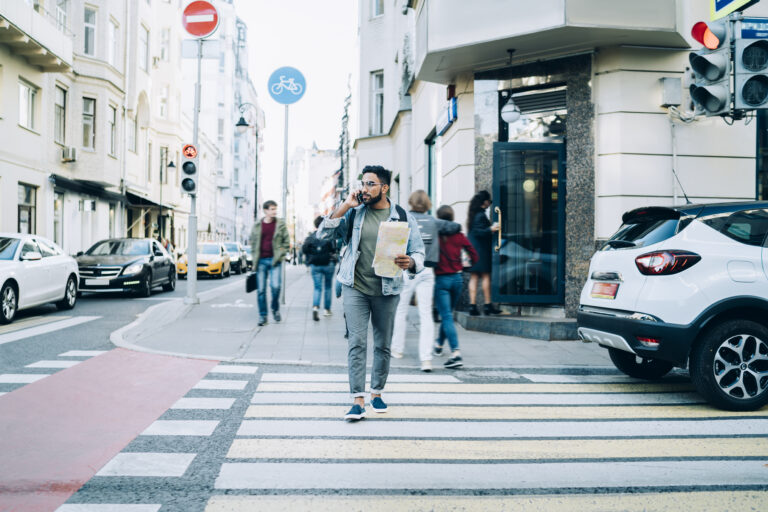
Phones or GPS screens cause drivers to glance away from the road, convinced they have a second to spare. Even a momentary distraction delays reaction time, especially when turning or approaching intersections. A driver turning right while checking a message can roll straight into a pedestrian crossing the street.
Failure To Yield the Right of Way
Under Texas Transportation Code § 552.008, drivers must use due care to avoid colliding with pedestrians, including giving warning when necessary and taking extra precautions for children or incapacitated pedestrians. When drivers fail to stay alert near crosswalks, intersections, and turns, serious crashes can happen in an instant.
School zones and neighborhood corners are especially dangerous because people often assume painted lines and walk signals guarantee safety. But when a driver does not watch for pedestrians or fails to yield when required, the results can be devastating. It is also one of the most common causes of pedestrian injuries across Texas.
Aggressive Driving
Speed multiplies risk. The faster a vehicle moves, the less time a driver has to react and the more violent the impact becomes. Even a small jump over the limit can wipe out the space needed to stop. Aggressive driving shows up everywhere—tailgating through city traffic, rushing a yellow light to make the turn. In busy areas, that same impulse ends up being aimed at the people still trying to cross the street.
Drunk or Impaired Driving
Impairment is a major factor in pedestrian fatalities in Texas, and the danger increases at night when visibility is lower. Alcohol and drugs can distort judgment, blur vision, and affect depth and distance perception. Even low levels of intoxication can reduce coordination and slow reaction time. Impaired drivers may drift out of their lane, misjudge gaps at intersections, turn too tightly, or fail to recognize the space needed to safely avoid pedestrians and other vehicles.
Traffic Violations and Negligence
Stop signs, red lights, and yield signs are designed to prevent crashes. When a driver ignores these traffic controls, it can be evidence of negligence. A rolling stop, a failure to yield, or an illegal turn can put a pedestrian directly in the path of a vehicle.
When a crash happens, the key question is whether the driver failed to use reasonable care under the circumstances and whether that failure caused the injuries. If so, the driver may be held legally responsible, and the injured person may be able to pursue compensation. An experienced attorney can review records, video, testimony, and witness accounts to determine how the collision occurred and who was at fault.
Pedestrian-Related Factors
Jaywalking or Crossing Between Crosswalks
Mid-block crossings and shortcuts across wide roads increase the risk of a serious crash, especially at night. Drivers often do not expect someone to enter the roadway outside a crosswalk, and Texas law generally requires pedestrians who cross at a place other than a marked crosswalk or an unmarked crosswalk at an intersection to yield to vehicles. Even so, drivers still have a duty to use due care to avoid colliding with pedestrians.
Texas also follows a modified comparative fault rule. If both the pedestrian and the driver share responsibility, the factfinder assigns each a percentage of fault. As long as the pedestrian is not more than 50 percent responsible, they may still recover compensation, but the amount is reduced by their percentage of fault.
Walking While Distracted
Phones pull focus for both drivers and people on foot. Texting, scrolling, or fixing headphones takes attention off the street. Someone checking a message while stepping off a curb might not hear a car coming. Attorneys look at phone data and witness statements to see how that distraction played a part in the crash.
Not Being Visible to Drivers
Dark clothing, weak lighting, and long unlit roads can make a person almost invisible at night. Drivers moving through neighborhoods often don’t see someone on the shoulder until they’re right there. Reflective gear, a flashlight, or light-colored clothes can make a big difference, but the burden doesn’t fall only on the person walking. Poor street design and bad lighting share the blame.
Environmental and Roadway Causes
Poor Road Design
Many Texas roads were designed with only cars in mind. Missing sidewalks, faded crosswalks, and poorly timed signals make walking dangerous. Wide, multi-lane streets near shopping areas or highway ramps leave almost no safe space for someone trying to cross. Design flaws like these leave little room for error.
Low Visibility and Poor Lighting Conditions
Low light leads to plenty of nighttime crashes, often near bus stops or parking lot exits where people blend into the dark. Rain, fog, and the half-light around dawn and dusk make visibility worse. Curves in the road and the glare of headlights can blind a driver for a moment—and that’s all it takes to miss someone crossing.
Construction Zones
Sidewalk closures and construction detours often push people straight into traffic. Drivers trying to weave through new lane shifts get distracted by cones and signs. It’s on construction crews and city planners to mark those areas clearly. When they don’t, fault can reach beyond the driver to the people running the project.
High-Risk Road Types and Intersections in Texas
Areas such as the multi-lane roads near Westheimer in Houston, the medical district in San Antonio, and highway frontage roads in Dallas can be especially dangerous for pedestrians. These locations often have heavy traffic, complex intersections, wide turn lanes, and limited crossing times, and those conditions can increase the likelihood of serious pedestrian crashes.
How Understanding the Cause Helps Determine Fault
Texas follows a modified comparative negligence rule, meaning responsibility is shared based on each person’s actions. If a pedestrian carries 20 percent of the blame, they can still recover the remaining 80 percent in damages. Attorneys review footage, phone data, and physical evidence to piece together how the crash happened.
Car accidents cause significant financial and personal losses. Understanding how car accident settlements work in Texas can provide further insight into valuation factors that overlap with pedestrian injury claims.
Top Tips for Pedestrian Safety in Texas
- Use designated crosswalks whenever possible.
- Make yourself visible. Reflective gear or small flashlights go a long way in dark areas.
- Avoid distractions. Put away your phone while navigating busy intersections.
- Stay alert near driveways and parking lots.
- Face traffic when no sidewalk exists. Walking against the flow lets you see vehicles approaching and also lets drivers see you.
- Be cautious around construction. Follow marked detours and avoid walking too close to cones or barriers.
- Watch the weather. Rain or fog shortens visibility; move deliberately and carefully.
Causes of Pedestrian Accidents FAQs
What Evidence Is Used To Prove What Caused the Pedestrian Accident?
Photos, police reports, traffic footage, and witness accounts form the core. Attorneys search through medical records, vehicle data, and surveillance clips to pin down what happened and when. A timeline is formed that supports the client’s version of events.
How Long Do I Have To File a Pedestrian Accident Claim in Texas?
Texas law sets strict deadlines for injury claims. The personal injury time limit sets the deadline for filing a lawsuit after the crash, which in Texas is generally two years. Missing that deadline forfeits the right to recover compensation, which is why early action is essential.
What Injuries Are Most Common in Texas Pedestrian Accidents?
Pedestrians can suffer broken bones, spinal trauma, or traumatic brain injuries, leading to medical bills, therapy, and missed work. Recovery can stretch for months or even years. A skilled Houston personal injury lawyer helps quantify these losses and pursue the full amount owed.
Contact Joe and The Stephens Law Firm Today
Every pedestrian crash leaves a mark, whether physical, emotional, or financial. Anyone involved deserves the opportunity for recovery, and they don’t have to go through the process alone. Our attorneys have spent decades representing injured Texans with empathy and precision.
If you or someone you love has been injured while walking in Texas, reach out today. Call (281) 201-0035 or send a message through the contact page.