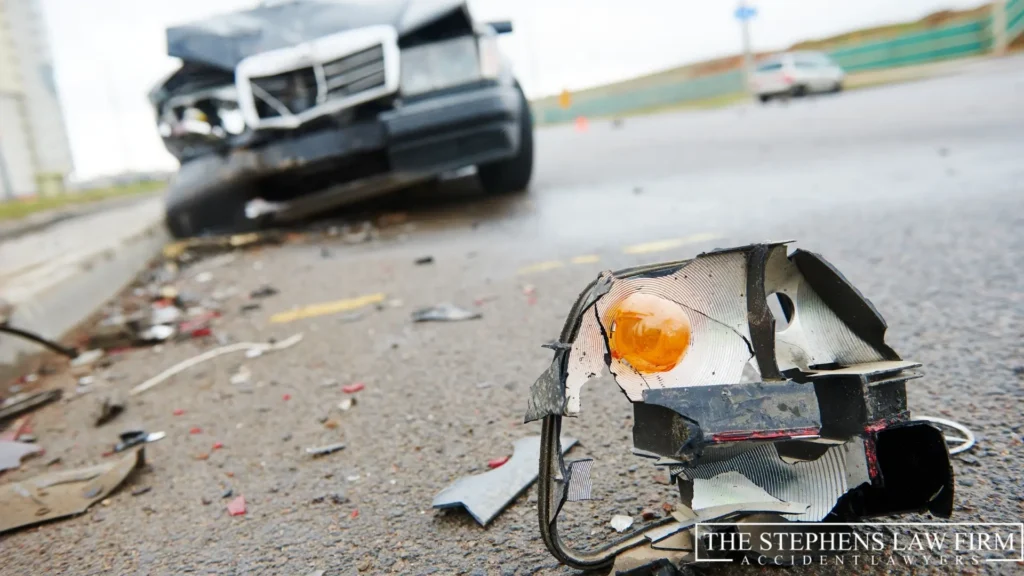
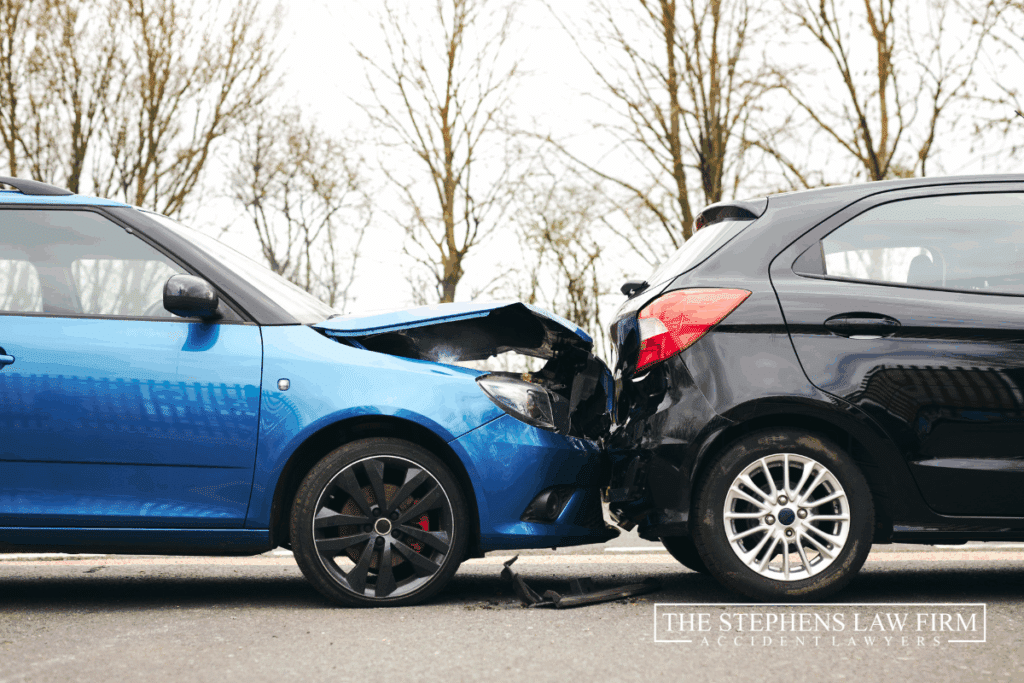
After a car accident in Texas, you should first check for injuries and call 911. If possible, move to safety. Then, exchange information with the other driver, document the scene, and report the crash to law enforcement. These steps protect your health, preserve evidence, and help safeguard your legal rights.
Texas law sets clear requirements for what drivers must do after a crash. If questions arise about your rights, insurance coverage, or next steps, Joe Stephens has over 40 years of experience helping Texas accident victims protect themselves from the very beginning of the process.
KEY TAKEAWAYS
- It’s important to gather evidence at the scene, including photos of the vehicles, damage, road conditions, and any injuries. Witness statements can also strengthen your claim and clarify what happened.
- Even if injuries aren’t immediately apparent, seek medical care within 24-48 hours. Prompt medical evaluation is essential for both your health and for building documentation that connects your injuries to the accident.
- Notify your insurer as soon as possible, but keep your report to the basics. Avoid offering opinions on fault or making recorded statements until you understand the full impact of your injuries.
- Whether or not you’re at fault, taking the right steps after the crash—such as gathering evidence and speaking with witnesses—can help you secure fair compensation. Texas’s modified comparative fault rule means you can still recover compensation even if partially at fault.
Check for Injuries After the Car Accident
Your safety comes first after any crash. In Texas, a reportable car accident happens about once every minute, and injuries are far more common than many people realize. As soon as you’re able, check yourself and everyone in your vehicle for pain, bleeding, or other signs of injury. If anyone is hurt, call 911 immediately.
Some injuries are not obvious right away. Adrenaline and shock can mask symptoms in the moments after a collision, and pain may not surface until hours or even days later. That is why it is always safer to take any discomfort seriously and seek medical help when in doubt. Getting prompt care protects your health and creates an important medical record if your injuries later become part of an insurance or legal claim.
Move to Safety and Call the Police
If your vehicle can be moved and doing so does not create additional danger, Texas law requires you to move it out of traffic as soon as possible to reduce the risk of a secondary collision. This is especially important on freeways and in high-traffic areas. If your vehicle is not safe to drive, turn on your hazard lights and remain at the scene until help arrives.
Texas law also requires drivers to immediately notify law enforcement when a crash involves injuries, a death, or a vehicle that cannot be normally and safely driven. You are also required to stay at the scene, check on others, provide the necessary information, and assist anyone who needs help.
Even when injuries are not immediately apparent or vehicles appear to be drivable, contacting the police is still strongly recommended. A police report can impact your car accident claim by creating an official, time-stamped record of what happened. This documentation often becomes critical evidence for insurance negotiations and any legal action that may follow.

Accidents happen—but that doesn’t mean you have to face the aftermath alone. Attorney Joe Stephens will walk you through your options and handle the hard stuff so you can focus on getting better.
Exchange Information
After a car accident in Texas, drivers are legally required to exchange key information before leaving the scene. At a minimum, you should provide and collect:
- Full name and address
- Vehicle registration number
- Name of the insurance company and policy information
- Driver’s license, if requested and available
- License plate number and vehicle make and model
Before anyone leaves, take a moment to verify that the details you received are accurate. Even small errors can create problems later with insurance or identification.
When speaking with the other driver, keep the conversation brief and factual. Do not apologize or speculate about who is at fault. Statements made at the scene can be misinterpreted or later used by insurance companies in ways that may harm your claim.
Collect Evidence at the Scene
If it is safe to do so, document the scene as thoroughly as possible. Take photos or videos of all vehicles involved, visible damage, the surrounding area, road and weather conditions, skid marks, traffic signals, and any visible injuries. These details can fade quickly, but strong documentation can continue to support your claim and help clarify what happened if questions arise later.
If there are witnesses, including passengers or bystanders who stopped to help, politely ask for their name and contact information. You may also ask what they observed, and a brief recorded statement can be helpful if they agree. When speaking with witnesses, avoid discussing fault. Focus only on what they saw or heard, not opinions about who caused the crash.
Get Medical Care as Soon as Possible
Seek medical care as soon as you can after a crash, ideally the same day or within 24 to 48 hours, even if you feel fine. Adrenaline and shock can mask pain in the moment, and some injuries, including concussions, soft tissue damage, and internal injuries, may not show symptoms right away. A medical evaluation helps identify injuries early and ensures you receive the treatment you need.
Seeking medical care after a car accident also creates clear documentation of your injuries and connects them directly to the accident. These medical records protect your health and serve as critical evidence if you need to pursue an insurance claim or legal action.
Report to Your Insurance Company
Most insurance policies require you to report a crash promptly, so notify your insurer as soon as possible after the accident. Keep your report limited to basic facts such as the date, time, location, and vehicles involved. Avoid guessing about fault or offering opinions.
You are not required to give a recorded statement right away. Waiting until you understand the full extent of your injuries and your rights can help protect your claim. This is also when it helps to understand why insurance companies deny auto accident claims. Denials often stem from inconsistent statements, gaps in medical care, or disputed liability. Before accepting any settlement, make sure the full impact of your injuries and losses is clear so you are not pressured into settling for less than your claim is worth.
What to Do Even If the Car Accident Isn’t Your Fault
Even when a crash is clearly not your fault, the steps you take afterward in Texas remain the same. You should stay at the scene, check for injuries, exchange information, contact law enforcement when required, and gather as much evidence as possible. Photos, witness statements, and a police report still play an important role later, even in minor accidents with no obvious injuries.
When another driver is responsible, strong evidence becomes especially important. Dash camera footage, nearby surveillance video, and witness accounts can help show what really happened and protect you from disputed liability or unfair blame. This evidence also supports the types of compensation you may be able to recover, such as medical expenses, lost wages, reduced earning capacity, pain and suffering, and property damage.
If you were partially responsible for the accident, you may still be able to recover compensation. Texas follows a modified comparative fault rule. As long as you are 50% or less at fault, you can still pursue damages, though your compensation may be reduced by your percentage of responsibility.
Talk to The Stephens Law Firm Today About Your Car Accident Case
You don’t have to face the aftermath of a car accident alone. An experienced Houston car accident lawyer like Joe Stephens can handle the entire legal process for you and make sure you get the compensation you deserve if you’ve been injured. We work on a contingency basis, so you won’t owe us anything unless Joe wins your case.
Contact Joe and The Stephens Law Firm for a free consultation today or call (281) 201-0035.