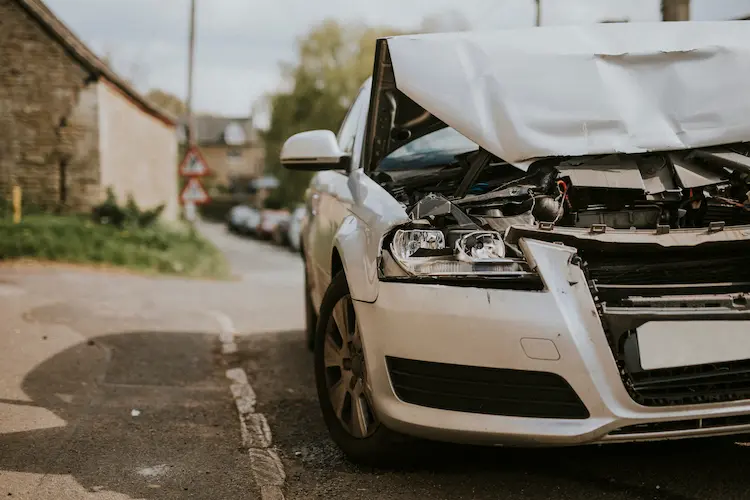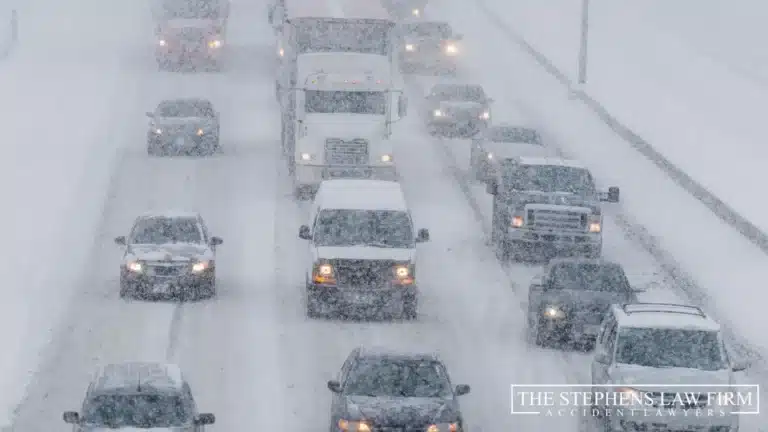
Snow days can be great fun, except if you are driving. Snow can be hazardous and can cause car crashes and breakdowns. If this has been worrying you, remember that you can take precautions. Here we’ll share some of our top tips for avoiding snowy road car wrecks.
Tips for Avoiding Snowy Road Car Wrecks in West Houston
What precautions can you take in snowy weather to avoid car crashes? Read on to learn our top tips for avoiding snowy road car wrecks.
1. Try Not to Drive in the Snow
It may sound obvious, but trying to avoid driving in the snow is your best chance of avoiding a car accident in bad weather. Check the weather forecast, buy groceries in advance, and try to stay off the roads.
This is because approximately 15 percent of weather-related vehicle crashes occur when it is snowing or there is sleet in the US. Twenty-five percent take place when the pavement is snowy, icy, or a state in between. With so many dangerous factors at play, such as slippery roads and obscured vision, it is essential to stay at home if you safely can.
2. Adapt Your Car
Luckily, these days, cars can be adapted to drive more safely on snowy roads. Both tire chains and snow tires can be bought ahead of time, but they need a final inspection before you drive. This is not only recommended by Joe Stephens and his team of experienced lawyers but by the government too.
You should also try to keep the tank full to make it difficult for ice to form, service the radiators and put anti-freeze in the car. All these actions will help to protect your car, making it safer for driving.
3. Drive Slowly
Driving slowly is usually dangerous, but in snowy weather, it will help you to minimize the likelihood of a serious car accident. This is because it offers extra time to react in the case your car slides on black ice or snow falls on the window screen. Driving slow gives you enough time to avoid a serious collision.
4. Increase Your Visibility
Even with the best windshield wipers, vision through the windows can become momentarily obscured in snowy weather. This is why Joe Stephens recommends staying at home – bad weather puts you and other drivers at risk of injury.
However, if you must drive, make it so that your vehicle is visible so that other cars can see you. Check your lights are working, and turn them on, even in the day. Remember that it is helpful to honk your horn as you drive around corners so that other drivers know you are there.
5. Remain Calm
In case of an emergency, and you do start to skid, remaining calm is key. If you can, try to drive your car to the side of the road to stop another vehicle from hitting you. You can use your horn to alert other drivers of your movements.
From there, use your phone to call for help and your emergency pack to keep you warm and safe while you wait for backup.
How Advanced Driver Assistance Systems (ADAS) Help in Snowy Conditions
Many newer vehicles come equipped with Advanced Driver Assistance Systems (ADAS). While these features are an extra layer of protection, they are not a substitute for winter driving skills. In fact, relying too heavily on them can be dangerous if you don’t understand their limits on slick roads.
Common ADAS features that assist in winter driving include:
- Antilock braking system (ABS): Prevents wheels from locking during hard braking. Pro Tip: If your ABS engages, do not “pump” the brakes. Maintain firm, steady pressure and let the system do the work.
- Electronic stability control (ESC): This is your best defense against “fishtailing.” It detects when a car is beginning to skid and applies the brakes to individual wheels to pull the vehicle back into line.
- Traction control: Automatically limits wheel spin when accelerating, which is essential when trying to move from a complete stop on an icy Houston overpass.
- Forward collision warning & AEB: These systems alert you to slowed traffic ahead. However, keep in mind that Automatic Emergency Braking (AEB) may take longer to stop your vehicle on ice than on dry pavement.
- Lane departure warning: Uses cameras to track lane markers. Note that if snow or slush covers the road paint, this system may become unreliable.
Before driving in the snow, take a moment to review your vehicle’s ADAS features and understand how they work. Keep in mind that these systems rely on sensors and cameras that can become blocked by snow or ice. Always clear your sensors and cameras completely before hitting the road.

When someone else’s mistake puts you in harm’s way, you deserve more than just a quick insurance payout. We help everyday Texans get the support and compensation they need to move forward after a car accident.
How to File a Claim After a Snow-Related Accident
In Texas, the weather is rarely an excuse for an accident. Drivers have a legal duty to adjust their speed and driving behavior to the current road conditions. If you’ve been injured because someone else didn’t know how to handle the ice, here is how to protect your claim:
- Seek Immediate Medical Attention: Adrenaline can mask symptoms of whiplash or internal injuries common in slide-off accidents. A gap in treatment is the #1 tool insurance companies use to devalue your claim.
- Report the Accident: Even if it’s a “minor” slide, call the police. An official crash report is the strongest evidence you have when an insurance adjuster tries to claim “no one was at fault.”
- Document the Specific Hazards: Take photos of the road surface (look for black ice or slush), your tire treads, and the other driver’s tire treads. If their tires were bald, that is a key piece of evidence for negligence.
- Exchange Information: Get the other driver’s name, phone number, and insurance carrier.
- Be Wary of the “Act of God” Defense: Insurance companies often try to deny snow-related claims by calling the weather an “Unavoidable Accident” or an “Act of God.” An experienced lawyer knows that if a driver was going too fast for the conditions, they are still liable.
- Consult a West Houston Car Accident Lawyer: Before you give a recorded statement to an adjuster, speak with an attorney who can protect your rights.
Under Texas law, you generally have two years from the date of the crash to file a lawsuit. However, evidence like dashcam footage or traffic camera data can disappear within days. Don’t wait until the snow melts to start your claim. Contact Joe Stephens today for a free evaluation of your case.
If You Were Injured in a Car Wreck While Driving in the Snow, Call West Houston Injury Attorney Joe Stephens Now
Make sure to use these tips for avoiding snowy road car wrecks. But if you are injured in a car accident, remember that help is on hand. Get in touch with Joe Stephens and his team of experienced lawyers, who are here to both defend you and fight for you.
If you’ve been injured by the negligence of another, you could hire any car accident lawyer in Katy, or you can hire a great West Houston car injury lawyer. Joe Stephens has been defending injury victims in Texas for over 3 decades from negligent individuals, companies, and greedy insurance companies. As an experienced car lawyer in Katy, TX, Joe handles all cases personally, and his staff is always available to answer questions.
The Stephens Law Firm, Car Accident Lawyers handles auto accident lawsuits across Texas, including these Houston cities.