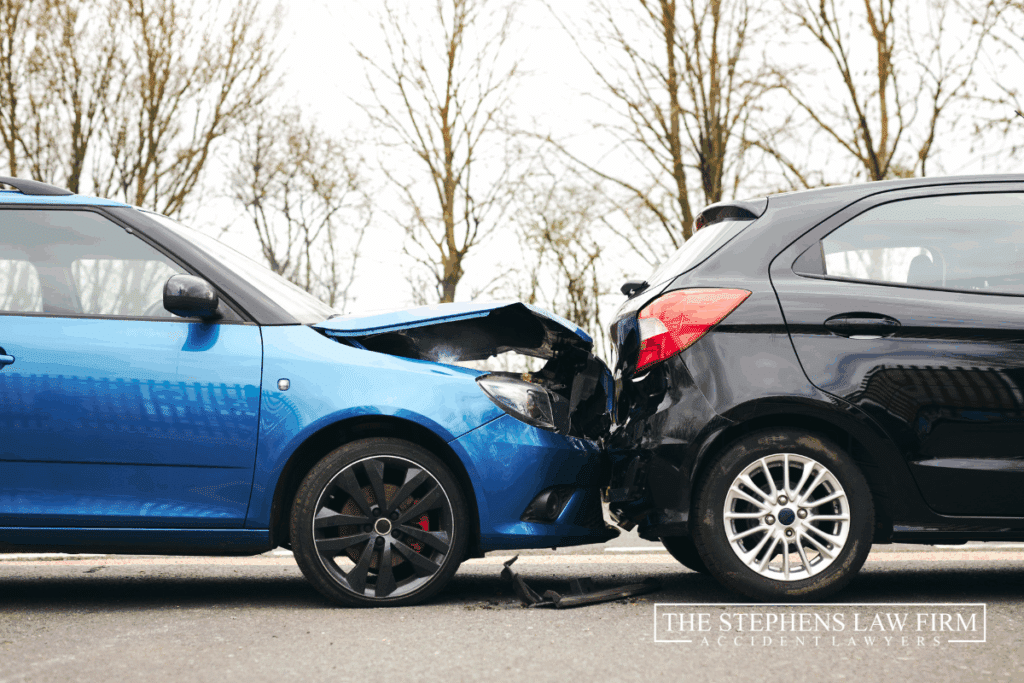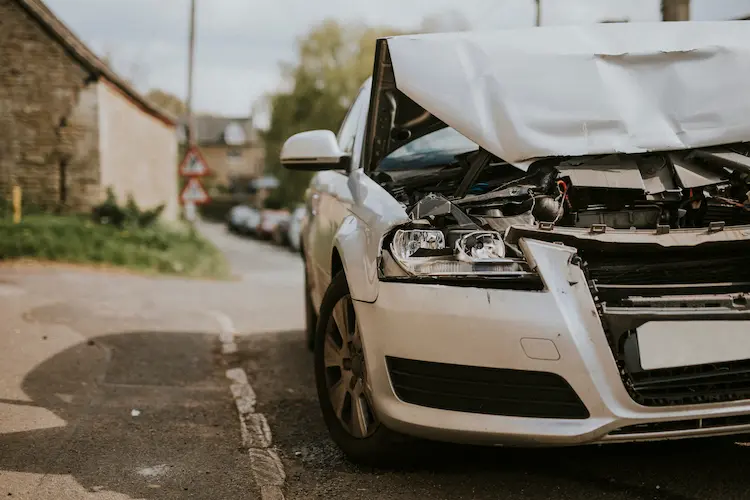
Car accidents are stressful regardless of the circumstances. Being involved in a drunk driving collision can be downright terrifying, as these incidents are often more severe and dangerous. If an intoxicated driver has hit you or your loved one in Houston, it is important to take the vital legal and medical steps to protect yourself and your claim.
In this article, we will divulge the actions that individuals should take in the immediate aftermath of a drunk driving crash. Learn more today by scheduling a consultation with Joe and The Stephens Law Firm.
- Taking immediate steps, like calling 911, seeking medical care, gathering evidence, and consulting an attorney, can protect both your health and your ability to pursue compensation after a drunk driving accident.
- In Texas, drunk driving is defined by a BAC of 0.08% or signs of impairment, and you do not need to prove intoxication yourself since law enforcement and evidence collection handle that process; importantly, criminal DWI cases are separate from civil injury claims.
- While the intoxicated driver is usually liable, additional parties, such as alcohol-serving establishments under the Texas Dram Shop Act or even employers, may also be responsible, which can increase your chances of full financial recovery.
Steps To Take Immediately After Being Hit by a Drunk Driver in Houston
Anyone who is involved in a wreck with a drunk driver can take proactive steps to prioritize their health and legal protections for a personal injury claim.
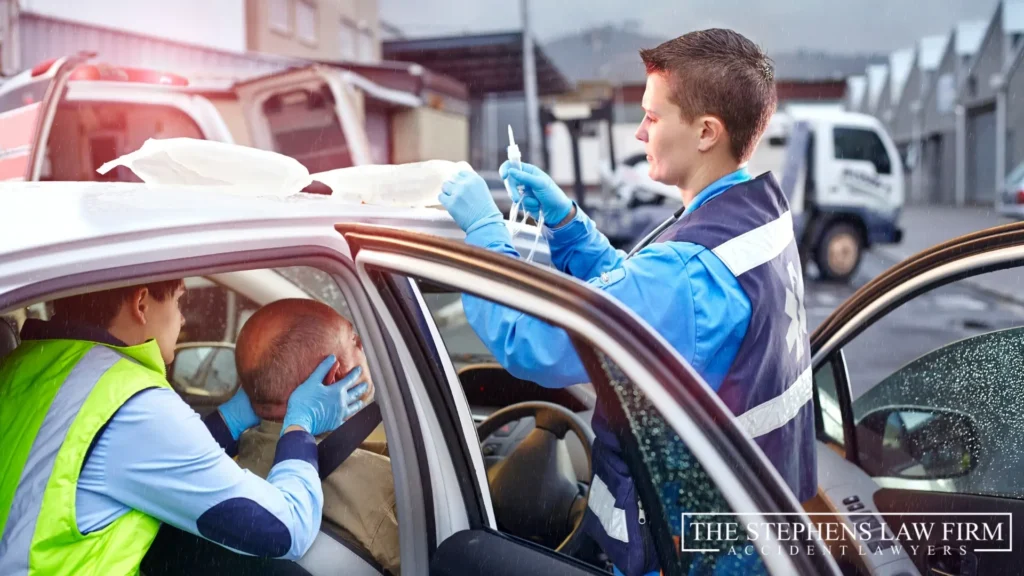
Contact Emergency Services
Immediately after a car accident, call 911 to report the incident and request an ambulance for any serious injuries.
Seek Medical Care
Even if your injuries seem minor or nonexistent, it is important to see a doctor to ensure there are no underlying medical problems. Some injuries, like head trauma or internal bleeding, may not show symptoms right away and can worsen if left untreated.
Gather Evidence and a Copy of the Police Report
Police on the scene should actively investigate the incident to rule out causes such as drunk driving. If you are able to, collect evidence such as photos and videos of the accident, as well as medical records related to your injuries.
In hit-and-run cases, it is important to write down crucial information about the driver, such as the make, model, and color of their vehicle, any descriptors of the person, and the license plate number. These incidents are often more challenging to navigate and pursue damages for, especially if the driver cannot be located.
Speak With an Attorney
Partnering with a lawyer can be one of the most effective ways to secure compensation for your injuries. They can gather evidence on your behalf to support proof of intoxication, negotiate with insurers, and push back against unfair settlement offers.
What Qualifies as Drunk Driving in Texas?
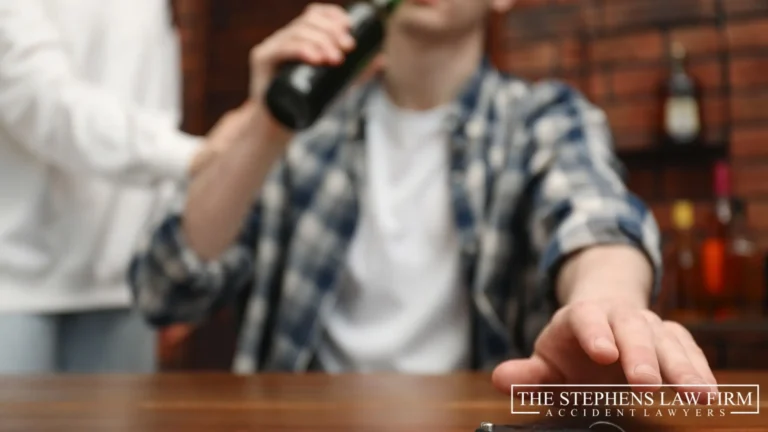
Texas law defines drunk driving as a person operating a vehicle with a blood alcohol concentration of 0.08% or higher, or while intoxicated due to alcohol, drugs, or a combination of substances. When law enforcement is determining whether a person is intoxicated, they may use methods other than measuring BAC levels. For instance, there are behavioral signs such as impaired coordination, slurred speech, or poor judgment.
What if You Are Not Sure the Driver Was Drunk?
Fortunately, the burden of proof in a potential drunk driving accident does not fall completely on the victim. You do not need to confirm intoxication yourself to have a valid claim, because determining whether a driver was impaired is handled through police investigation, evidence collection, and, if applicable, chemical testing. There are numerous ways to establish impairment, including witness statements, dashcam footage, or nearby surveillance.
In these incidents, there are typically two cases occurring: a criminal DWI case and a civil personal injury claim. Because a criminal case is separate from a civil claim, you can continue to pursue compensation for your injuries regardless of whether the driver is charged with or convicted of DWI.

If you’ve been hurt in an accident, you’re probably feeling overwhelmed and unsure where to turn. Joe Stephens is here to listen, guide you, and fight for the full compensation you need to move forward with your life.
Who Can Be Held Responsible After a Drunk Driving Accident in Houston?
Drunk driving cases in Texas are often clear-cut, with the intoxicated individual being held liable for their actions. However, in some situations, liability may extend beyond the driver.
Under the Texas Dram Shop Act, bars, restaurants, or other alcohol providers may be liable if they overserved a visibly intoxicated person who then caused a crash, which can expand the sources of compensation available to you.
In some cases, an employer may also be responsible if the driver was working at the time of the accident. Similarly, social hosts could face limited liability under certain circumstances if they supplied a minor with alcohol.
Identifying all potentially liable parties can significantly impact your ability to recover full compensation, especially if the driver alone lacks sufficient insurance coverage.
Our Houston Drunk Driving Accident Lawyer Can Help You
Drunk driving accidents can result in a range of consequences, from irreparable property damage to life-changing injuries. If you or your loved one has been involved in a collision with a negligent driver, do not wait to get the legal help you deserve.
Joe Stephens is a double board-certified attorney with over 40 years of experience taking on personal injury cases throughout Texas. He can pursue fair compensation for your damages and ensure a fair recovery. Schedule a free consultation today by calling (281) 201 -0035 to get started building a compelling case.